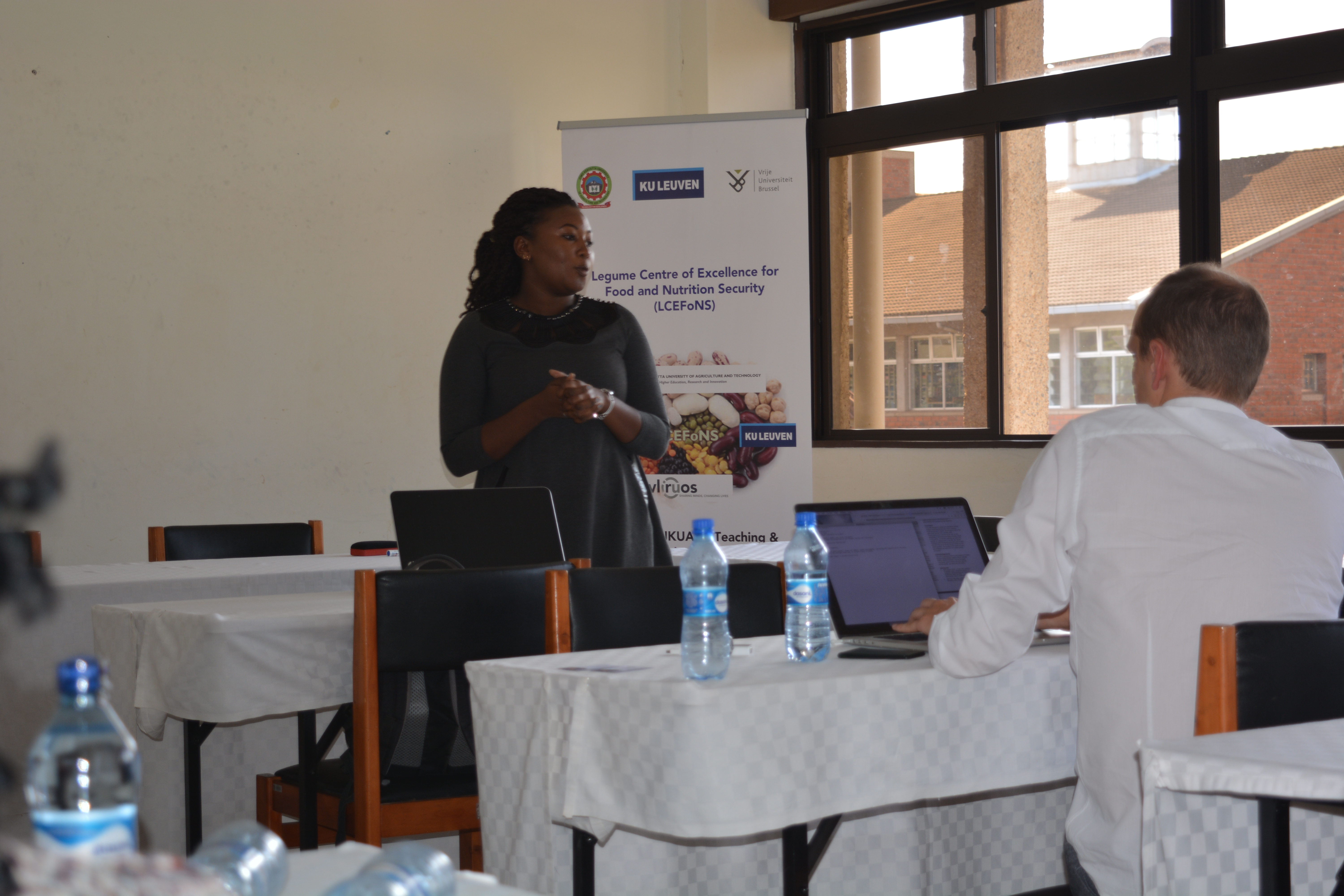
Storage & Processing
Problem Statement
Why this research matters
Kenya did not meet its millennium development goal in Food and Nutrition security. Most people rely on starchy staples for energy and on legumes for proteins. Because of their amino acid profile, legumes have a greater potential in the fight against nutrient insecurity and alleviation of protein energy malnutrition than most staple foods such as maize, cassava, and rice. In addition, legumes are easily affordable in the human diet, compared to relatively expensive animal proteins. However, legume utilization by food-insecure consumers (rural and urban poor) is hindered by the hard to cook phenomenon, high levels of phytic acid, the presence of antinutrients and various flatulence causing oligosaccharides. In particular, the inconvenient long cooking times and conditions of limited cooking fuel and firewood within reach, lead women to change the food consumption patterns compromising the nutritional intake of many families. For the agricultural efforts on legumes to be successful in the long term, postharvest and processing issues need to be addressed to facilitate the consumer in utilizing these raw materials by unlocking the key barriers to utilization. It is in this perspective that this project seeks to build on the just ended team project on the hard to cook defect on common beans between JKUAT-FST and KU Leuven LFT (2011-2015).
Research Objectives
Improve research and dissemination practices in the field of legume processing at the Department of Food Science and Technology (allowing the creation of a sustainable knowledge base);
Generate knowledge and guidelines on legume processing available for uptake by stakeholders. This will focus on the translation of the knowledge in guideline documents that will create the starting point for activities of valorization.
Research Activities
Resources & Capacity
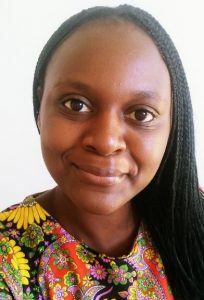
Elizabeth Wafula Nakhungu
PhD CandidateElizabeth is determining the influence of storage and processing on the physico-chemical characteristics of common beans, specifically developing NIR spectroscopy (NIRS) screening tools for identifying important quality traits. She holds a BSc and MSc in Food Science and Nutrition from JKUAT and a Master in Human Development and Food Security from Università Roma Tre. She works as a Tutorial Fellow in COANRE, JKUAT.
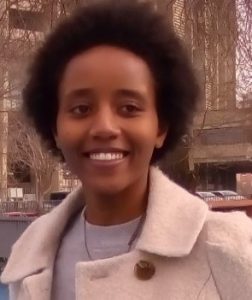
Irene Njoki Wainaina
PhD CandidateIrene is in a sandwich PhD programme between KU Leuven and JKUAT. She has an MSc in Food Technology from KU Leuven and a BSc in Food Science from JKUAT. Her research interests lie in food quality, safety, postharvest handling, and value addition techniques.

Ariel Buzera
MSc AlumnusAriel studied the 'Effects of Processing Methods on Physico-Chemical Properties of Bio-Fortified Common Beans Grown in DR Congo' and graduated from JKUAT in November 2018.
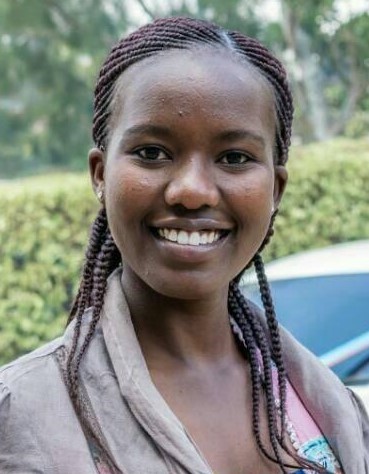
Vivian Chepchirchir Kitum
MSc CandidateVivian is studying methods of 'Lowering Flatulence Factors in Common Bean through Fermentation' for her MSc in Food Science and Technology at JKUAT.
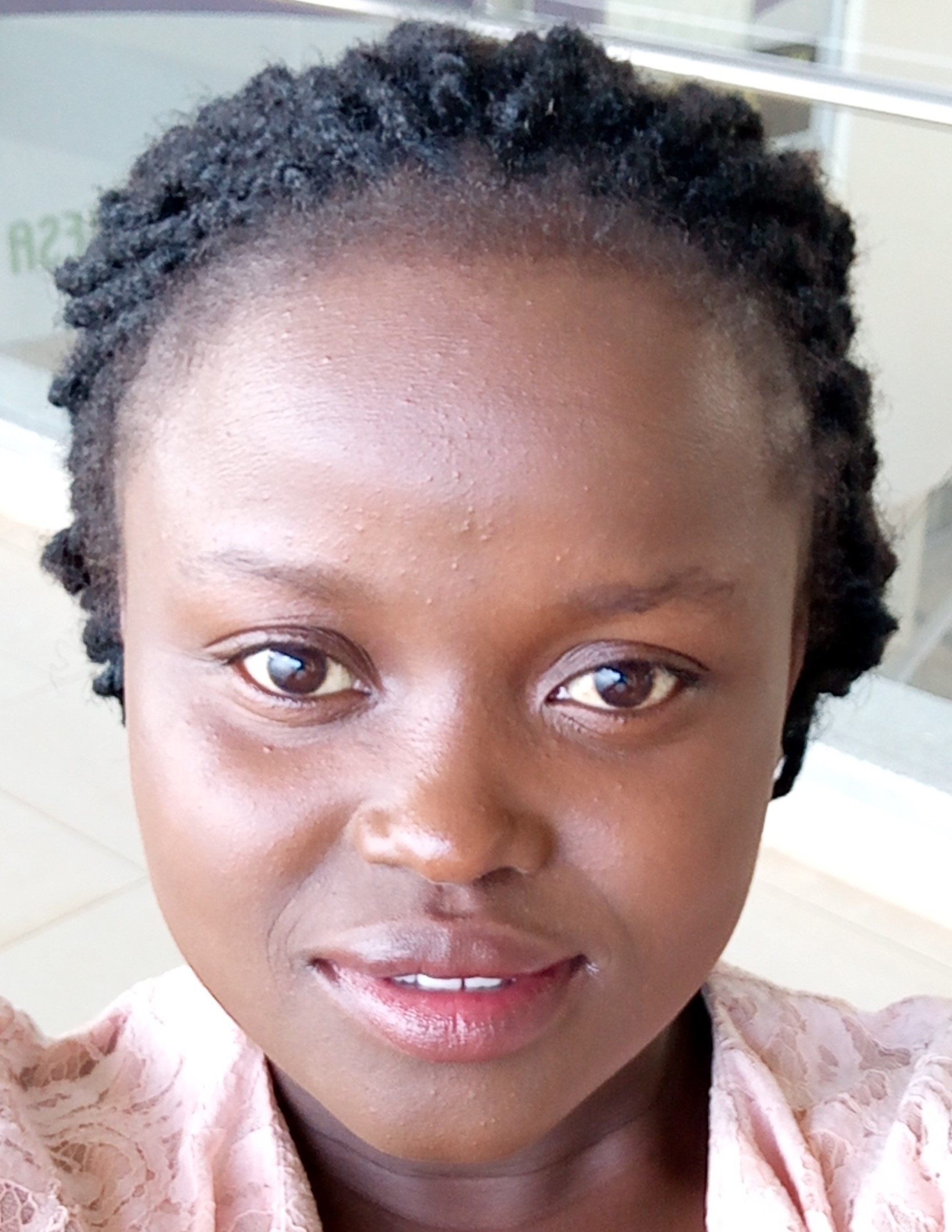
Mercyline Onduso
MSc CandidateMercyline is currently working on 'Anti-nutrients Available in Different Varieties of Beans and the Processes which Reduce their Content and Improve the Bio-availability of Nutrients'.

Alice Ritho
MSc CandidateAlice is currently working on the 'Fortification of Noodles with Improved High-iron, High-zinc beans varieties in Kenya'.

Nancy Samoey
MSc CandidateNancy is currently working on 'The Post-Harvest Evaluation of Quality Attributes of Newly Developed common bean varieties'.
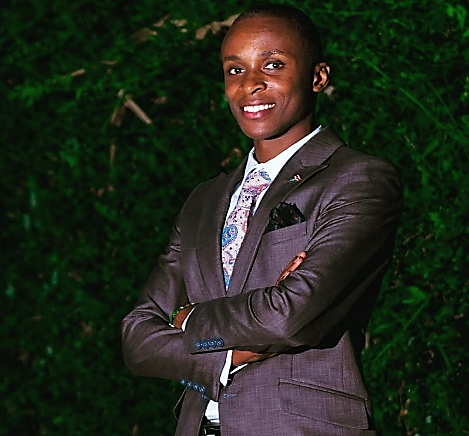
Joseph Karue
MSc CandidateJoseph is working on the 'Impact of Storage and Subsequent Cooking on the Physicio-Chemical Properties of Common Beans'.
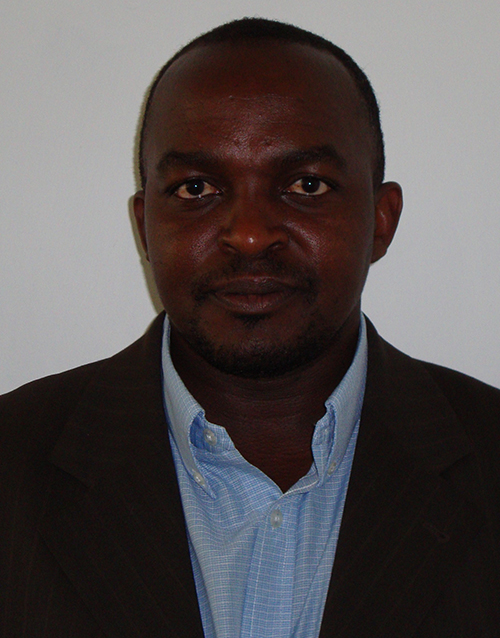
Prof. Daniel Ndaka Sila
Leader South
Department of Food Science and Technology, Faculty of Agriculture, JKUAT
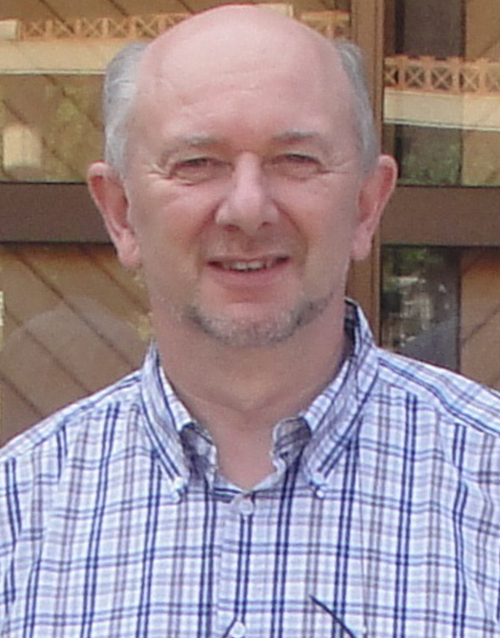
Prof. Marc Hendrickx
Leader North
Laboratory of Food Technology, Department of Microbial and Molecular Systems, KU Leuven
Pillar at a glance
Other Pillars
Related Publications
All publications